October 17th is National Pasta Day. Pasta is one of the most loved comfort foods around the world. From creamy fettuccine to hearty penne, it comes in all shapes, sizes, and ingredients. But not all pastas are created equal—some are packed with nutrients, while others can spike your blood sugar or leave you feeling sluggish. Let’s explore the differences between common types of pasta and how to choose the best one for your plate and your health.
- Traditional White Pasta
Made from: Refined wheat flour (semolina)
Texture & Taste: Smooth, mild, and tender
Nutrition: White pasta is the classic choice for many dishes, but it’s also the most processed. It loses most of its fiber, vitamins, and minerals during refinement. While it’s enriched with nutrients like iron and B vitamins, it lacks the natural fiber that helps slow digestion and stabilize blood sugar levels.
Best for: Occasional indulgences or when you need a soft texture for creamy sauces.
- Whole Wheat Pasta
Made from: 100% whole-grain wheat
Texture & Taste: Slightly nutty and more firm
Nutrition: Whole wheat pasta keeps the bran and germ of the wheat grain, giving it more fiber, protein, and micronutrients. It’s more filling and has a lower glycemic index than refined pasta, which means it helps sustain energy longer.
Best for: Everyday meals and anyone looking to add more whole grains and fiber to their diet.
- Brown Rice Pasta
Made from: Ground brown rice
Texture & Taste: Mild flavor, slightly chewy
Nutrition: A great gluten-free option that’s still close in texture to traditional pasta. It’s higher in fiber and minerals than white pasta but can become mushy if overcooked.
Best for: Gluten-sensitive eaters or those who prefer a light, gentle flavor.
- Lentil or Chickpea Pasta
Made from: Legume flours (red lentil, chickpea, or black bean)
Texture & Taste: Earthy, hearty, and dense
Nutrition: These plant-based pastas are protein powerhouses. They’re naturally gluten-free, high in fiber, and rich in iron and folate. They can taste stronger than wheat pasta, but they pair beautifully with tomato or herb-based sauces.
Best for: High-protein, plant-based diets or anyone looking to stay fuller longer.
- Quinoa Pasta
Made from: Quinoa flour, sometimes mixed with corn or rice flour
Texture & Taste: Slightly nutty, firm texture
Nutrition: Quinoa pasta is rich in essential amino acids and minerals like magnesium and zinc. It’s also gluten-free and a good option for people wanting a nutritious twist on classic pasta dishes.
Best for: Balanced meals that combine protein, fiber, and whole-grain benefits.
- Vegetable or “Zoodle” Pasta
Made from: Spiralized vegetables like zucchini, carrots, or sweet potatoes
Texture & Taste: Light, fresh, slightly crunchy
Nutrition: These “pastas” are naturally low in calories and carbs, and they’re full of vitamins and antioxidants. While they don’t mimic the chewy texture of traditional pasta, they make a colorful and nutritious base for sauces.
Best for: Low-carb, nutrient-dense meals or summer dishes.
Choosing What’s Right for You- Your ideal pasta depends on your health goals and taste preferences:
- For fiber and whole grains: Choose whole wheat or brown rice pasta.
- For protein and fullness: Try lentil or chickpea pasta.
- For light, fresh dishes: Go for zoodles or veggie pasta.
- For comfort classics: Enjoy white pasta in moderation.
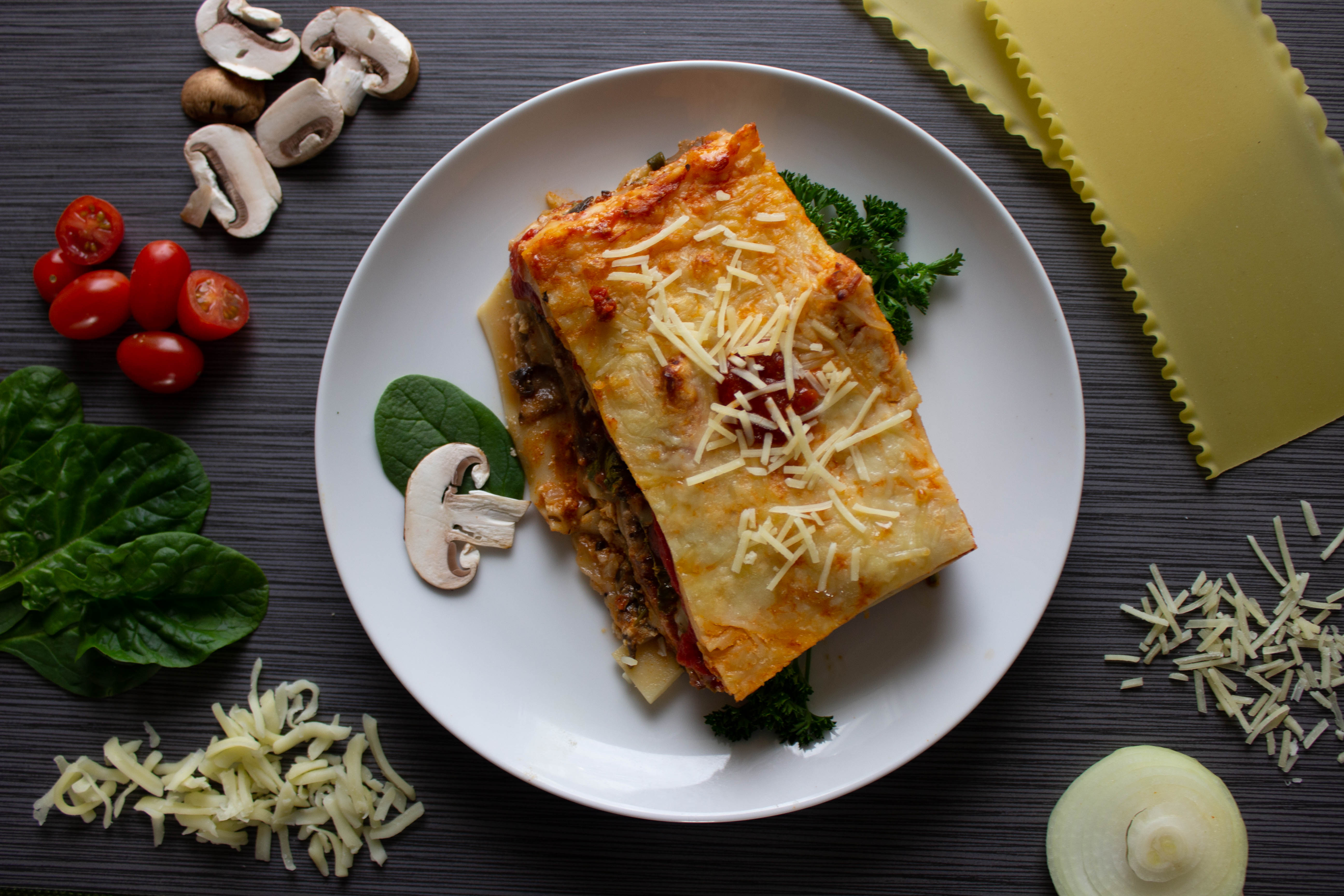
Pasta can be part of a healthy, balanced diet—it’s all about choosing the type that fits your nutritional needs. Experiment with different varieties, pair them with fresh vegetables and lean proteins, and you’ll find that pasta can be both delicious and nourishing. At Cuisine for Healing we opt for the healthiest pasta options that still bring that classic comfort we all crave. Try our Mushroom and Spinach Lasagna with homemade ricotta, or our Sundried Tomato Chicken Penne for your National Pasta Day Celebration, you will be so glad you did!