Fish is one of the most powerful foods you can include in your diet. It’s rich in lean protein, omega-3 fatty acids, and essential nutrients that support heart health, brain function, and inflammation control. But choosing the right fish matters—not just for nutrition, but also for minimizing exposure to harmful contaminants like mercury.
Why Low-Mercury Fish Is Important
Mercury is a naturally occurring heavy metal that enters oceans and waterways through industrial pollution and environmental processes. Once in the water, it’s converted into methylmercury, a toxic form that accumulates in fish.
The bigger and longer a fish lives, the more mercury it tends to store in its body—a process called bioaccumulation. When humans consume these fish regularly, mercury can build up in the body over time.
What Mercury Can Do to the Human Body
Exposure to high levels of mercury can have serious health effects, particularly on the nervous system. Even at lower levels, long-term exposure can be harmful. Memory problems and difficulty concentrating, Impaired motor skills and coordination, Increased risk of cardiovascular issues, Harm to fetal brain development during pregnancy Fatigue, headaches, and mood changes are some of the potential side effects.
The Healthiest Low-Mercury Fish to Eat
- Salmon– Salmon is widely considered one of the healthiest fish. It’s high in omega-3 fatty acids, which support heart and brain health while reducing inflammation.
Best choice: Wild-caught salmon typically has a more favorable fat profile and fewer contaminants. - Sardines– Sardines are small, nutrient-dense fish packed with omega-3s, calcium, and vitamin B12. Because they are low on the food chain, they contain very little mercury.
Bonus: They are one of the most sustainable seafood options. - Trout– Rainbow trout is rich in protein and omega-3s and is often farm-raised in well-regulated freshwater systems in the U.S.
Benefit: Generally low in mercury and widely available. - Anchovies– Anchovies are tiny but powerful, offering omega-3s, iron, and calcium. Their short lifespan means minimal mercury accumulation.
- Herring– Herring is another oily fish rich in omega-3 fatty acids and vitamin D. It supports cardiovascular and immune health.
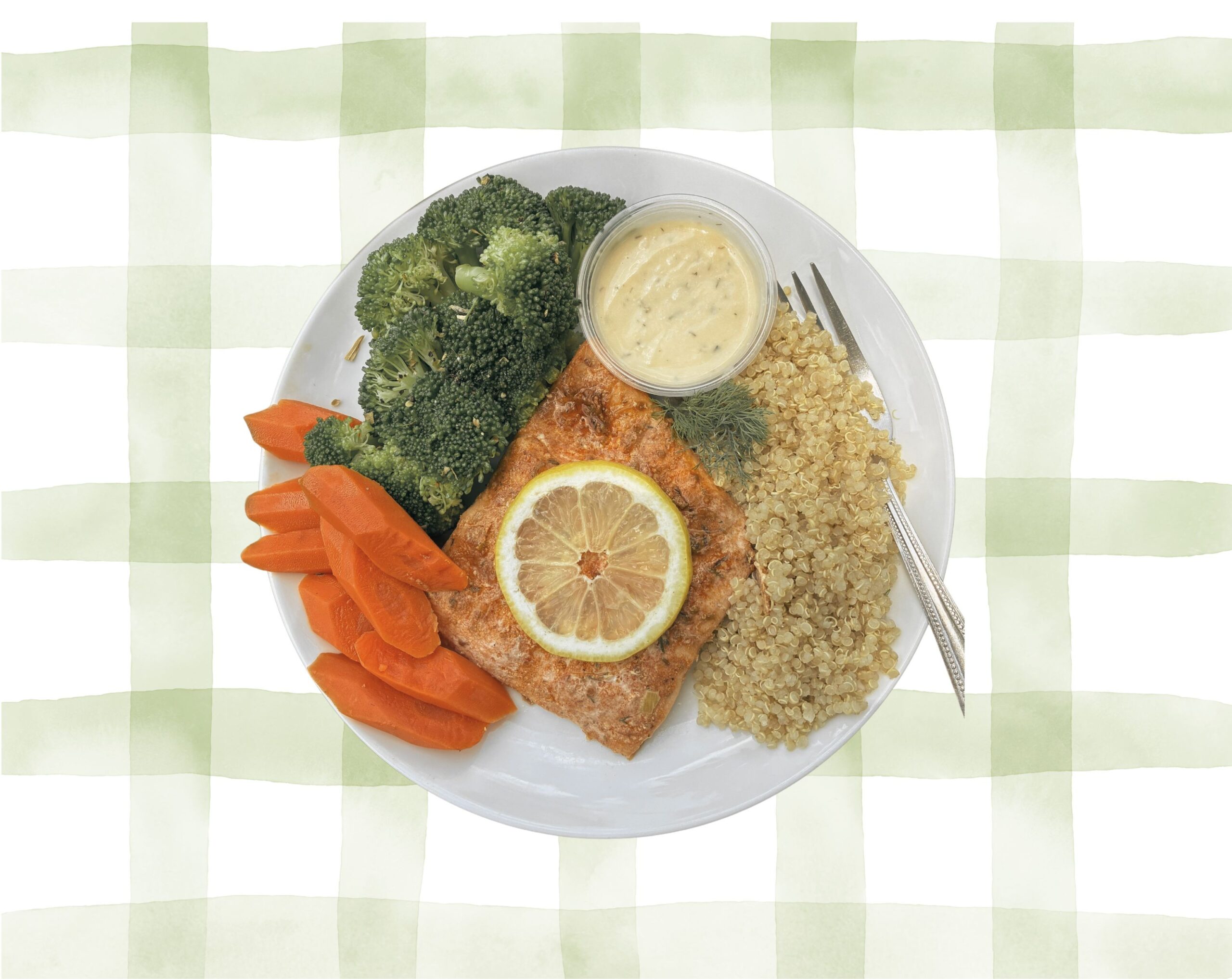
Cuisine for Healing has you covered with our new Spring Menu, complete with several new salmon options. Choose to pair salmon with any of our Spring salads or bowls for a nutritious meal packed with lean protein omega 3’s!