The gallbladder may be small, but it plays a big role in your digestive system. Tucked beneath the liver, this pear-shaped organ stores and releases bile, a fluid that helps break down fats. This process helps your body absorb essential nutrients, including fat-soluble vitamins like A, D, E, and K. When the gallbladder isn’t functioning properly, it can lead to discomfort and more serious health issues. Understanding how to support gallbladder health is key to maintaining overall well-being.
Common Gallbladder Problems- Several conditions can affect the gallbladder, including:
- Gallstones- Gallstones are hardened deposits of cholesterol or bilirubin that form in the gallbladder. They can range in size and may block bile flow, causing pain and inflammation.
- Cholecystitis- This is inflammation of the gallbladder, often caused by gallstones blocking the bile ducts. Symptoms can include severe abdominal pain, fever, and nausea.
- Biliary Dyskinesia- A condition where the gallbladder doesn’t empty properly, leading to digestive discomfort and pain without the presence of stones.
- Gallbladder Sludge- A thickened mixture of bile components that can accumulate and sometimes lead to gallstones.
Signs Your Gallbladder May Need Attention- Gallbladder issues often present with noticeable symptoms, such as:
- Pain in the upper right abdomen
- Pain after eating fatty meals
- Nausea or vomiting
- Bloating or indigestion
- Fever (in more severe cases)
If you experience persistent or severe symptoms, it’s important to seek medical care.
Factors That Affect Gallbladder Health- Several lifestyle and biological factors can influence your risk of gallbladder problems:
- Diet high in unhealthy fats and processed foods
- Obesity or rapid weight loss
- Sedentary lifestyle
- Hormonal changes, especially during pregnancy
- Genetics
How to Support a Healthy Gallbladder- Maintaining gallbladder health often comes down to balanced lifestyle choices:
- Eat a Balanced Diet- Focus on whole, nutrient-dense foods such as:
- Fruits and vegetables
- Whole grains
- Lean proteins
- Healthy fats (like those from nuts, seeds, and olive oil)
Avoid eating fried and highly processed foods, which can strain the gallbladder, and other systems in the body.
- Maintain a Healthy Weight- Being overweight increases the risk of gallstones, but rapid weight loss can also trigger their formation. Aim for gradual, sustainable weight management.
- Stay Hydrated- Drinking enough water helps support proper bile consistency and digestion.
- Exercise Regularly- Physical activity helps regulate cholesterol levels and supports overall digestive health.
- Limit Refined Sugars and Carbs- High intake of sugar and refined carbohydrates has been linked to increased gallstone risk.
When Is Gallbladder Removal Necessary?- In some cases, particularly with frequent gallstones or severe inflammation, surgical removal of the gallbladder (cholecystectomy) may be recommended. Fortunately, people can live without a gallbladder, though dietary adjustments may be needed to aid digestion.
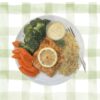
By paying attention to your diet, activity level, and overall wellness, you can support your gallbladder and reduce the likelihood of complications. All the systems of your body are connected, when you properly care for your gallbladder, as tiny as it may be, you are caring for your entire body. As always, Cuisine for Healing has you covered for gallbladder and whole-body friendly meals on the go!