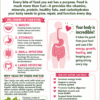
Imagine sitting down to a warm, nourishing meal. You take a slow breath, smell the food, take the first bite, and for a moment, your body begins to settle. Food is more than fuel. The experience of eating can become a moment of comfort, nourishment, and connection. One of the remarkable pathways involved in this process is the vagus nerve.
The vagus nerve is the longest cranial nerve in the body, traveling from the brainstem through the neck and chest and into the abdomen. It connects the brain with important organs, including the heart, lungs, and digestive system. As a major part of the parasympathetic nervous system, often called the “rest and digest” system, it helps regulate functions such as digestion and heart rate and plays an important role in the body’s response to stress.
The Vagus Nerve and the Gut-Brain Connection
The vagus nerve helps carry information between the brain and digestive system in both directions. This communication is part of the complex gut-brain connection, which helps regulate digestive activity and allows the brain to receive information from the gastrointestinal tract.
This connection reminds us that eating is not simply about what is on the plate. How we experience a meal matters, too. During cancer treatment or recovery from illness, food may not always feel easy. Appetite, taste, swallowing, digestion, and energy levels can change. Foods that were once favorites may suddenly be difficult to tolerate. Some people may need softer foods, smaller meals, additional protein, or extra fluids.
Nourishing the Body Through Food
A healing-focused approach to cuisine can emphasize a variety of nutrient-rich foods, depending on an individual’s needs and medical guidance:
- Colorful vegetables and fruits provide vitamins, minerals, and beneficial plant compounds.
- Protein-rich foods such as fish, poultry, eggs, beans, lentils, and yogurt can help meet the body’s nutritional needs during recovery.
- Whole grains and fiber-rich foods, when tolerated, can support digestive health.
- Healthy fats such as olive oil, avocado, nuts, seeds, and fatty fish add nourishment and flavor.
- Fluids are essential for maintaining hydration and supporting normal body functions.
A nourishing meal doesn’t have to be complicated. A comforting bowl of vegetable and bean soup, roasted vegetables with fish, a colorful grain bowl, or yogurt with fruit and whole grains can provide nutrition while making food feel inviting again.
Slow Down and Savor
The vagus nerve is associated with the body’s relaxation response, but there is no need to search for a complicated “vagus nerve hack.”
Instead, consider the simple ritual of eating.
Before a meal, take a few slow, comfortable breaths. Sit down. Notice the aroma and colors of the food. Take your time chewing. Put down your fork between bites. Enjoy the conversation if you’re sharing the meal with someone you love.
These small moments can help make eating feel less like another task of recovery and more like an act of self-care and nourishment.
Other healthy habits such as adequate sleep, gentle movement, time outdoors, relaxation practices, and meaningful social connection can also support overall well-being and help the body manage stress.
Cuisine for Healing: Caring for the Whole Person
There is no single food, supplement, or technique that can “reset” the vagus nerve or cure cancer or another disease. Nutrition is not a replacement for medical treatment. Rather, it is one part of caring for the whole person.
For someone recovering from illness, a meal can become more than food. It can be a reminder that the body deserves care, that nourishment can be comforting, and that healing is supported through many small acts of kindness toward ourselves.
One nourishing meal. One slow breath. One moment of connection. One day at a time.