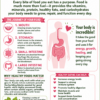

Your body is a complex machine that requires a variety of nutrients to function efficiently. Essential nutrients support everything from energy production to immune function and overall well-being. Our bodies cannot produce on these nutrients on their own, making it necessary to obtain them through diet. Understanding these nutrients and their roles can help you make informed choices about your health. In this blog, we’ll explore the six main categories of essential nutrients and their importance.
Macronutrients: The Building Blocks of Nutrition
- Carbohydrates – The primary source of energy for the body, carbohydrates fuel daily activities and brain function. Healthy sources include whole grains, fruits, vegetables, and legumes.
- Proteins – Essential for muscle repair, immune function, and hormone production, proteins are made up of amino acids. Good sources include lean meats, eggs, dairy, legumes, nuts, and seeds.
- Fats – Important for brain health, hormone regulation, and energy storage, healthy fats can be found in avocados, nuts, seeds, olive oil, and fatty fish.
Micronutrients: The Key to Vital Functions
4. Vitamins- Small but Mighty Nutrients. These organic compounds support various bodily functions, such as metabolism, immunity, and vision. Important vitamins include:
o Vitamin A (carrots, sweet potatoes) – good for vision and skin health.
o Vitamin C (citrus fruits, bell peppers) – supports the immune system.
o Vitamin D (sunlight, fatty fish) – crucial for bone health.
o Vitamin B complex (whole grains, leafy greens) – aids energy production and brain functions.
- Minerals: Key Elements for Strong Bones and Body Functions- Minerals are inorganic elements that help with hydration, nerve function, and bone strength. Important minerals include:
- Calcium (dairy, leafy greens) – essential for strong bones and teeth.
- Iron (red meat, lentils) – helps in oxygen transport.
- Magnesium (nuts, seeds and whole grains-helps with muscle and nerve function
- Zinc (meat, shellfish, and legumes)- crucial for immune function and wound healing
- Water: The Ultimate Nutrient- Water is often overlooked as a nutrient, but it is vital for digestion, temperature regulation, and toxin removal. Aim to drink sufficient water daily to keep your body hydrated and functioning efficiently.
A well-rounded diet rich in whole, unprocessed foods ensures that you get a proper balance of essential nutrients. Incorporating a variety of fruits, vegetables, whole grains, lean proteins, and healthy fats into your meals can help maintain optimal health and prevent deficiencies. Cuisine for Healing has got you covered for all of your essential nutrient needs, with a variety of options from breakfast to dinner and everything in between.