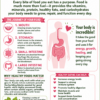

The state of your mouth can reflect and influence many aspects of your general health. Poor oral hygiene can lead to dental problems like cavities and gum disease, which can further contribute to serious health issues such as heart disease, diabetes, and respiratory infections. Understanding the importance of oral health and incorporating foods that support it into your diet can significantly improve your quality of life.
Research has shown a connection between oral health and various systemic conditions. For example, gum disease has been linked to cardiovascular diseases, diabetes, and adverse pregnancy outcomes. Good oral hygiene practices, such as regular brushing and flossing, help prevent dental diseases like tooth decay and gum disease. Healthy teeth and gums are crucial for daily activities such as eating, speaking, and smiling. Poor oral health can cause discomfort, pain, and difficulties in these activities, affecting your quality of life.
Foods That Support Good Oral Hygiene
- Dairy Products: Milk, cheese, and yogurt are rich in calcium and phosphates, which are essential for maintaining strong teeth and bones. Cheese, in particular, helps stimulate saliva production, which neutralizes the acid in the mouth.
- Crunchy Fruits and Vegetables: Apples, carrots, and celery are examples of crunchy fruits and vegetables that act as natural toothbrushes. They help scrub away food particles and bacteria from the surface of the teeth while stimulating saliva production.
- Leafy Greens: Spinach, kale, and other leafy greens are high in calcium, folic acid, and vitamins that are beneficial for oral health. These nutrients help strengthen tooth enamel and promote healthy gums.
- Nuts and Seeds: Almonds, walnuts, and chia seeds are excellent sources of essential nutrients like calcium, phosphorus, and omega-3 fatty acids. These nutrients support tooth enamel strength and reduce inflammation in the gums.
- Green and Black Teas: Both green and black teas contain polyphenols that help reduce the growth of bacteria in the mouth.
- Water: Staying hydrated is crucial for good oral health. Water helps wash away food particles and bacteria, reduces the risk of dry mouth, and keeps the gums hydrated.
- Whole Grains: Whole grains like brown rice, oatmeal, and whole wheat bread are rich in complex carbohydrates and fiber, which help reduce the risk of gum disease.
Tips for Maintaining Good Oral Health
- Brush and Floss Regularly: Brush your teeth at least twice a day with fluoride toothpaste and floss daily to remove plaque and food particles from between your teeth.
- Visit the Dentist Regularly: Schedule regular dental check-ups and cleanings to detect and treat any oral health issues early.
- Limit Sugary and Acidic Foods: Reduce the consumption of sugary and acidic foods and drinks, as they can erode tooth enamel and contribute to cavities.
- Quit Smoking: Smoking and using tobacco products can lead to gum disease, tooth loss, and oral cancer. Quitting these habits can significantly improve oral health.
- Use Mouthwash: An antimicrobial mouthwash can help reduce bacteria in the mouth and freshen breath.
Maintaining good oral health is crucial for your overall well-being, and incorporating a balanced diet with these supportive foods can make a significant difference. Regular dental visits and consistent oral hygiene practices will ensure your smile remains bright and healthy for years to come.