Iron is a vital mineral that plays a key role in transporting oxygen throughout the body, supporting energy levels, brain function, and a healthy immune system. When the body does not get enough iron, iron deficiency can develop, which may eventually lead to iron-deficiency anemia if left untreated. Understanding the symptoms, what affects iron absorption, and the best dietary sources can help prevent and manage this common condition.
What Is Iron Deficiency?- Iron deficiency occurs when the body’s iron stores are too low to meet its needs. This can happen due to inadequate dietary intake, poor absorption, increased needs (such as during pregnancy), or blood loss. Because iron is essential for making hemoglobin, low levels reduce the blood’s ability to carry oxygen efficiently.
Common Symptoms of Iron Deficiency- Symptoms can range from mild to severe and may develop gradually. Common signs include:
- Persistent fatigue, low energy, and shortness of breath
- Pale skin or pale inner eyelids
- Dizziness or lightheadedness
- Cold hands and feet
- Brittle nails or hair thinning
- Difficulty concentrating, brain fog, and head aches
- Cravings for non-food items such as ice or clay (a condition called pica)
Factors That Inhibit Iron Absorption- Not all iron consumed is absorbed equally. Several dietary and lifestyle factors can reduce how much iron the body actually uses. Spacing iron-rich meals away from these inhibitors can help improve absorption.
- Calcium-rich foods or supplements taken at the same time as iron
- Tea and coffee, which contain polyphenols and tannins
- Phytates found in whole grains, legumes, nuts, and seeds
- High-fiber diets when iron intake is already low
- Certain medications, such as antacids or proton pump inhibitors
- Inflammation or gut conditions that affect digestion and absorption
Best Foods to Eat for Iron- Iron comes in two forms: heme iron and non-heme iron.
Heme iron (more easily absorbed):
- Red meat (beef, lamb)
- Liver and organ meats
- Poultry (especially dark meat)
- Fish and shellfish (clams, oysters, sardines)
Non-heme iron (plant-based sources):
- Lentils and beans
- Spinach and other leafy greens
- Pumpkin seeds and sesame seeds
- Quinoa and fortified cereals
- Dried fruits such as apricots and raisins
To boost absorption of non-heme iron, pair these foods with vitamin C-rich foods, such as, citrus fruits, berries, bell peppers, tomatoes, and broccoli.
Iron deficiency is common but manageable with the right dietary choices and awareness of absorption factors. Eating a balanced diet that includes iron-rich foods, minimizing inhibitors around meals, and pairing plant-based iron with vitamin C can make a meaningful difference. If iron deficiency is suspected, a healthcare professional can provide testing and guidance tailored to individual needs. Too much Iron in the blood can be toxic, so always speak to a healthcare provider and confirm testing before starting supplements.
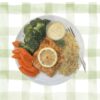
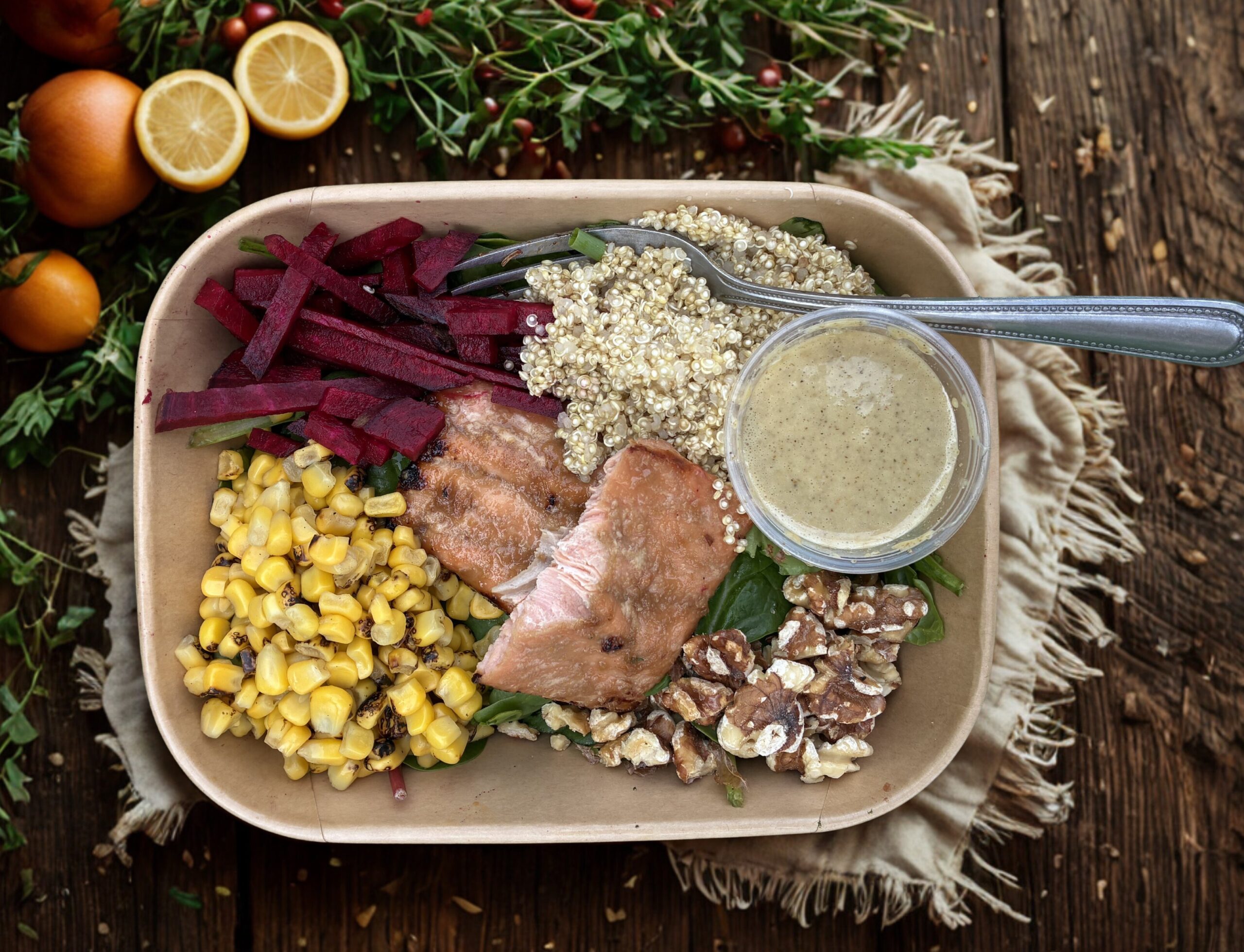
As always Cuisine for Healing is here to offer support to those that may be experiencing dietary issues. We have a variety of dishes that can get your body back on track, or keep you where you need to be. Try our delicious Salmon, Quinoa and Broccoli, our Winter Harvest Bowl, or our new Autumn Grain Salad with Salmon.