February is National Cancer Prevention Month, a time to raise awareness about the proactive steps we can take to reduce our risk of cancer. While cancer remains one of the leading causes of death worldwide, research suggests that nearly half of all cancer cases could be prevented through lifestyle changes and early detection. By making informed choices and adopting healthier habits, we can empower ourselves and our communities to lead healthier lives.
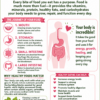
1. Maintain a Healthy Diet– A nutritious diet plays a critical role in cancer prevention. Incorporating a variety of fruits, vegetables, whole grains, and lean proteins can provide essential vitamins and antioxidants that help protect cells from damage. Limit processed foods, red meats, and sugary beverages, which have been linked to increased cancer risk. The Mediterranean diet, rich in healthy fats and plant-based foods, is a great example of a cancer-fighting diet.
2. Stay Physically Active– Regular physical activity helps maintain a healthy weight, reduce inflammation, and balance hormone levels, all of which contribute to lower cancer risk. Aim for at least 150 minutes of moderate-intensity exercise per week, such as brisk walking, cycling, or swimming. Incorporating strength training exercises can be helpful too.
3. Avoid Tobacco and Alcohol– Tobacco use is the single most significant risk factor for cancer, contributing to lung, throat, mouth, and several other types of cancer. Quitting smoking, or better yet, never starting, is one of the most effective ways to prevent cancer. Additionally, limit alcohol consumption, as excessive drinking has been linked to cancers of the liver, breast, and digestive tract.
4. Protect Your Skin– Skin cancer is one of the most common and preventable types of cancer. Protect yourself by wearing sunscreen with at least SPF 30, seeking shade, and wearing protective clothing. Avoid tanning beds and prolonged sun exposure.
5. Get Screened Regularly– Early detection through regular cancer screenings can significantly improve treatment outcomes. Follow recommended screening guidelines for cancers such as breast, cervical, colorectal, and prostate, depending on your age, gender, and risk factors.
6. Manage Stress and Prioritize Mental Health– Chronic stress can negatively impact the immune system and increase inflammation in the body. Practicing stress-management techniques such as meditation, deep breathing, yoga, and ensuring you get enough sleep can support mental and physical health, reducing the overall cancer risk.
7. Be Aware of Environmental Risks– Exposure to harmful chemicals and pollutants can increase cancer risk. Limit exposure to pesticides whenever possible, and opt for natural cleaning products.
For healthy, delicious, pesticide-free meals, Cuisine for Healing is the place to go. Start the month and the year off right by making a commitment to yourself to make healthier choices for you and your loved ones.