The human body harbors over a trillion strains of microbes, or bacteria. More specifically, our large intestine, also known as the gut, is the most densely populated location of bacteria, containing over 10^13 bacteria. Despite contrary belief, these bacteria are not harmful to human health but are in fact vital in maintaining health and providing humans with vitamins, neurotransmitters, aiding in digestion and absorption, reducing inflammation, and more.
Numerous factors influence the gut microbiomes bacterial composition, one of them being our diet. The Standard American Diet (SAD) reflects the typical dietary pattern of Americans, and consistent of highly processed foods, added sugar, excess saturated fats, and is low in vegetables, fruits, and whole grains. The study titled “Diet-associated neuroinflammation mediated by gut microbiota” highlighted how a diet high in saturated fats results in increased negative bacteria permeability, gut dysbiosis (the increase in negative bacteria and decrease in positive bacteria), movement of negative bacteria, and more. These negative consequences could lead to neuroinflammation and neurodegeneration.
In contrast, consuming a diverse diet, rich in vegetables, fruits, whole grains, and fermented foods, can promote gut health and increase the types of bacteria present. The higher variety of bacterial strains promotes the gut microbiome because they take up space, pushing out harmful bacteria. More beneficial bacteria offer protection from harmful bacteria.
Now that we know how important diet and variety are to protecting the gut microbiome, let’s dive into ways to increase variety and diversity to maintain or improve our gut microbiome.
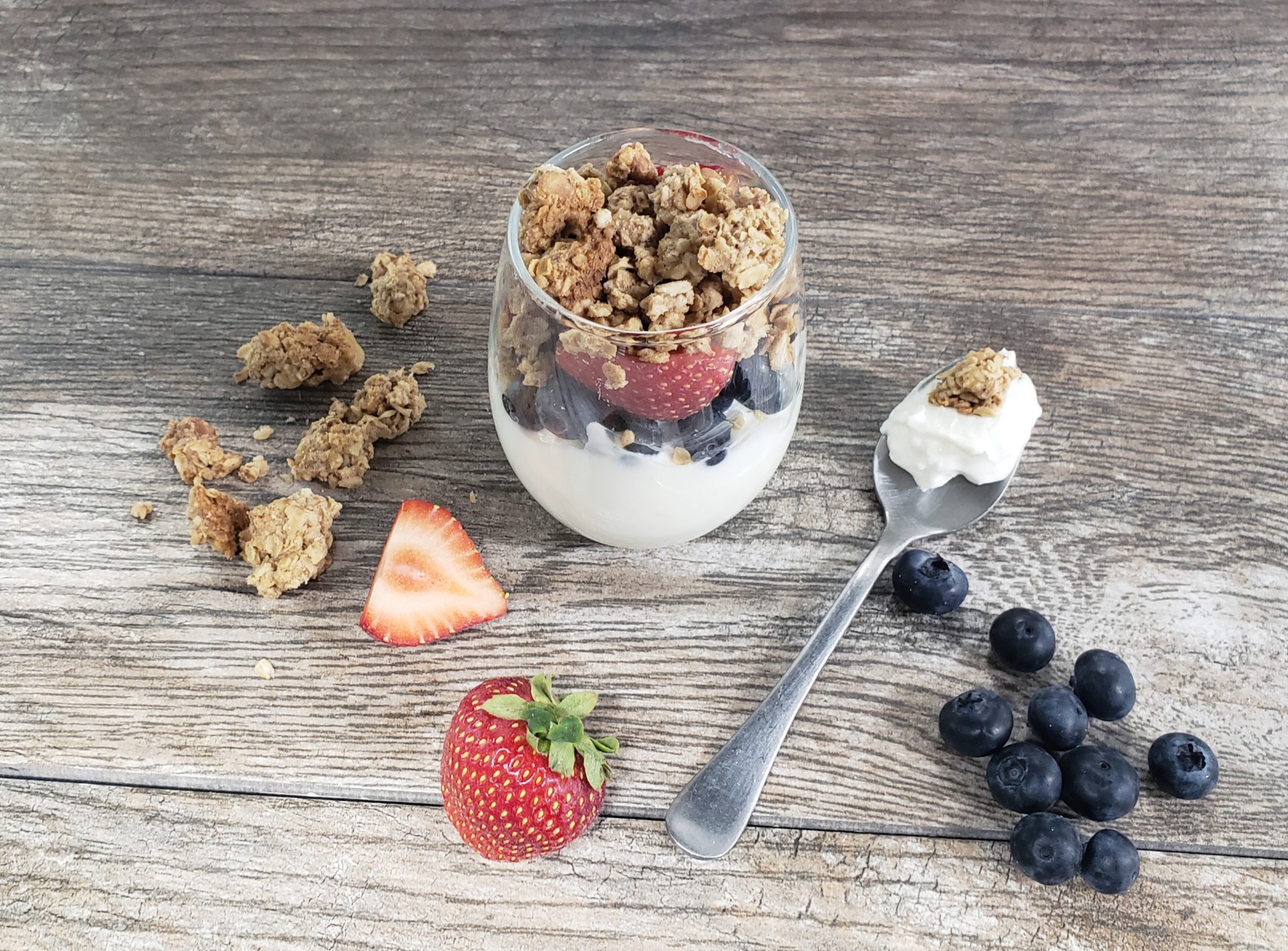
- Fermented foods- Fermented foods consist of foods that contain probiotics, or active bacteria that live inside of certain foods. Sources of fermented foods include yogurt, kefir, kimchi, cottage cheese, sauerkraut and kombucha.
- Consume fiber- Fiber is the indigestible form of plants that is considered food for the bacteria in the gut microbiome. Consuming fiber promotes the growth of beneficial bacteria. Fiber rich foods include oats, garlic, apples, asparagus, beans, whole grains, bananas, and onions.
- Spend time outdoors and with animals- Exposure to nature and animals can introduce the gut microbiome to a broader range of diverse, beneficial bacteria. Consider participating in outdoor activities like hiking, camping, biking, and spending time with pets.
- Try new foods -Finally, the best way to promote gut health is expanding the diversity of food consumption. Consider trying new foods to expose the gut microbiome to new bacteria and expand biodiversity.
Cuisine for Healing offers a variety of delicious nutritious foods, readily available when you need them most. Our foods offer all the key nutrients to foster a happy stomach, mind and taste buds!