Globally, seeds have been a part of a healthy diet for millenniums. Because seeds are the starters for new plants, they are packed with nourishment in a tiny package. Seeds are nutrient dense foods, and are rich in vitamins, minerals, healthy fats, protein, and fiber. Eating seeds regularly has been associated with a decreased risk of diseases including cardiovascular disease and respiratory diseases. Additionally, in the case of allergies, seeds are an easy swap, and work well in many recipes that call for nuts.
Seeds offer a unique flavor and texture to dishes. Their mild nutty flavor makes them versatile to cook with. Here are a few ways to add seeds to your diet:
- Crunchy topping on yogurt, oatmeal, salads or
- Blending seeds in a food processor until smooth to create a “seed butter”. Works best with sunflower, hemp, or pumpkin
- Add to baked goods like breads, muffins, and crackers
- Blend with herbs and spices to create a plant powered sauce
- Pair with fresh fruit or vegetables for a satisfying snack
There are numerous varieties of seeds, but the most popular seeds are chia seeds, hemp seeds, flax seeds, pumpkin seeds/pepitas, sunflower seeds, and sesame seeds.
- Chia Seeds: Chia seeds are tiny edible seeds. They are the highest fiber seed, and support digestion. Additionally, they aid in maintaining healthy levels of blood lipids. A 2021 review of 10 studies on chia seeds, found that chia seed consumption was effective for lowering total cholesterol, LDL cholesterol and triglyceride levels. It is important to soak chia seeds prior to eating, as they will expand and increase
- Hemp Seeds: Hemp seeds are the edible fruits of the cannabis plant and are amongst the most nutritious seeds. Hemp seeds provide protein, healthy fats, fiber, and are a good source of magnesium, B6, and zinc. Magnesium plays an important role in the body’s stress response and nerve functioning. A serving of hemp seeds covers 50% of the recommended daily intake for
- Flax Seeds: Flax seeds are high in minerals and fiber, which supports bowel movements and digestion. Additionally, flax is a good source of the essential, omega-3 fatty acids, which supports brain health and cognitive
- Pumpkin Seeds/Pepitas: Pumpkin seeds are a great source of plant-based protein. They contain a great source of minerals including magnesium, copper, zinc, and
- Sunflower Seeds: Sunflower seeds are rich in essential nutrients including vitamin E, selenium, and healthy fats. Sunflower seeds contain the highest amount of vitamin E when compared to other nuts. Vitamin E is an antioxidant and plays a role in protecting the body from cellular damage, therefore preventing
- Sesame Seeds: Sesame seeds are commonly found in the form of sesame oil and tahini, and are incorporated into dessert, bread, crackers, and meat dishes. Sesame seeds are a
great source of minerals, including calcium, copper, iron, magnesium, manganese, selenium, thiamine and zinc.
Where can you find seeds at Cuisine?
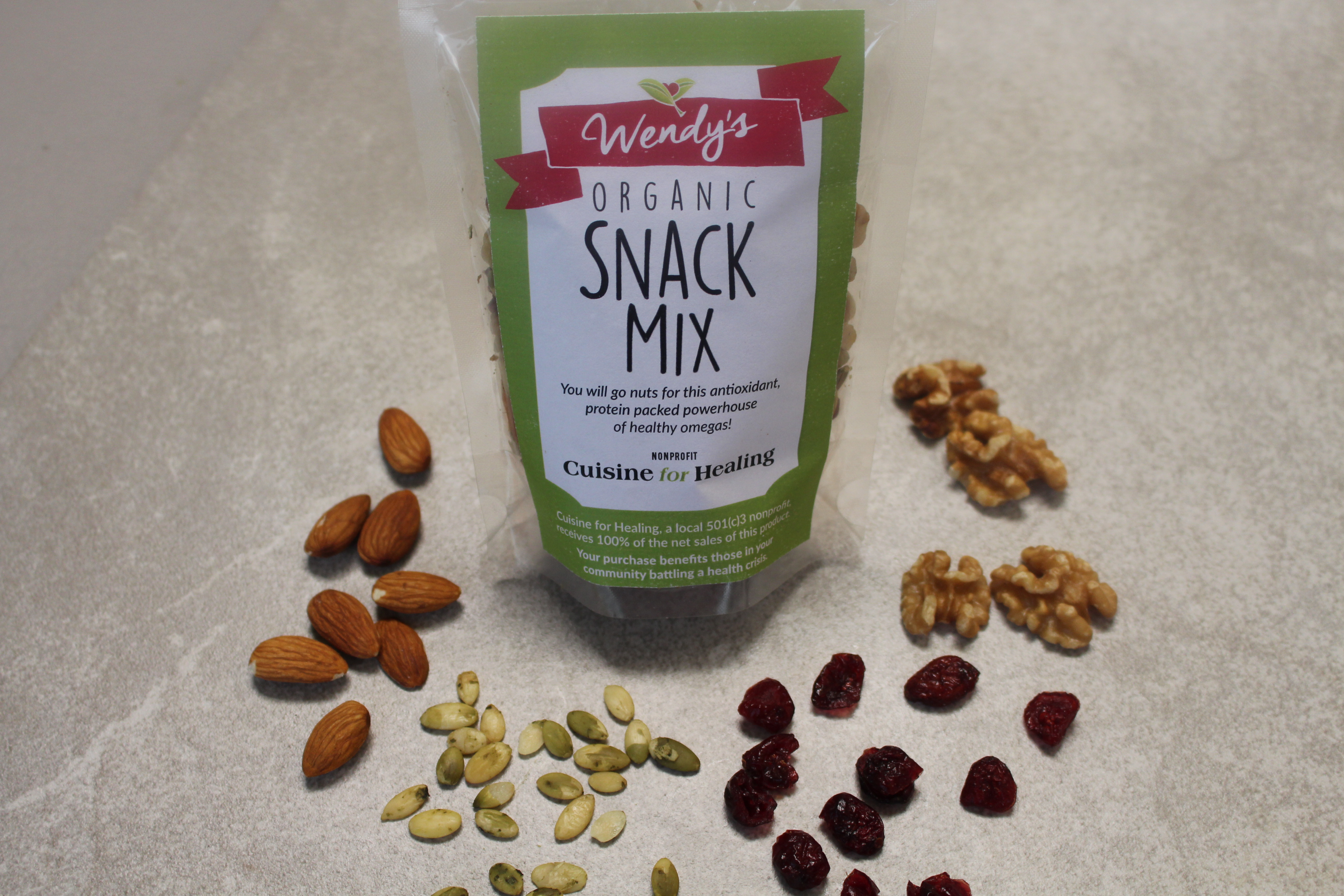
- Wendy’s Organic Snack Mix
- Homemade granola
- Curry Chicken Salad
- Fall Butternut Squash & Spinach Salad
- Blueberry or Carrot Overnight Oats
Stop by Wendy’s House anytime to try some of our delicious and nutritious dishes that are also packed with nutrition and flavor.