Protein is an essential macronutrient that plays a vital role in building and repairing tissues, producing enzymes and hormones, and supporting overall health. However, determining the right amount of protein to consume can be confusing due to varying recommendations based on age, sex, activity level, and health goals.
Recommended Protein Intake:
- Sedentary Adults: 0.36 grams per pound of body weight (Example 150 X .36=54 grams)
- Active Adults: .50 grams per pound
- Athletes: .5 to 1.0 grams per pound
- Elderly Adults: .5 to .7 grams per pound
- Pregnant and Nursing Women: .6 grams per pound
Good Types of Protein
- Lean Meats: Chicken and Turkey are excellent sources of high-quality protein with lower fat content. They provide essential amino acids necessary for muscle repair.
- Fish and Seafood: Fish like salmon and trout are rich in protein and omega-3 fatty acids, which are beneficial for heart health.
- Eggs: Eggs are a complete protein source, meaning they contain all nine essential amino acids. They are also versatile and can be incorporated into various meals.
- Dairy Products: Greek yogurt, cottage cheese, and milk are high in protein and provide calcium and other vital nutrients.
- Plant-Based Proteins: Beans, lentils, chickpeas, and quinoa are excellent protein sources for vegetarians and vegans. These foods also offer fiber, vitamins, and minerals.
- Nuts and Seeds: Almonds, chia seeds, flaxseeds, and pumpkin seeds are rich in protein, healthy fats, and other nutrients. They make great snacks or additions to meals.
Bad Types of Protein-
- Processed Meats, Fried Meats, and High Fat Meats: Bacon, sausage, hot dogs, and deli meats are often high in saturated fat, sodium, and preservatives. Regular consumption of processed meats has been linked to an increased risk of heart disease, cancer, and other health issues. Frying can also produce harmful compounds that may contribute to inflammation and other health problems.
- Protein Bars and Shakes with Additives: While convenient, some protein bars and shakes contain added sugars, artificial flavors, and unhealthy fats. It’s essential to read labels and choose products with minimal additives and natural ingredients.
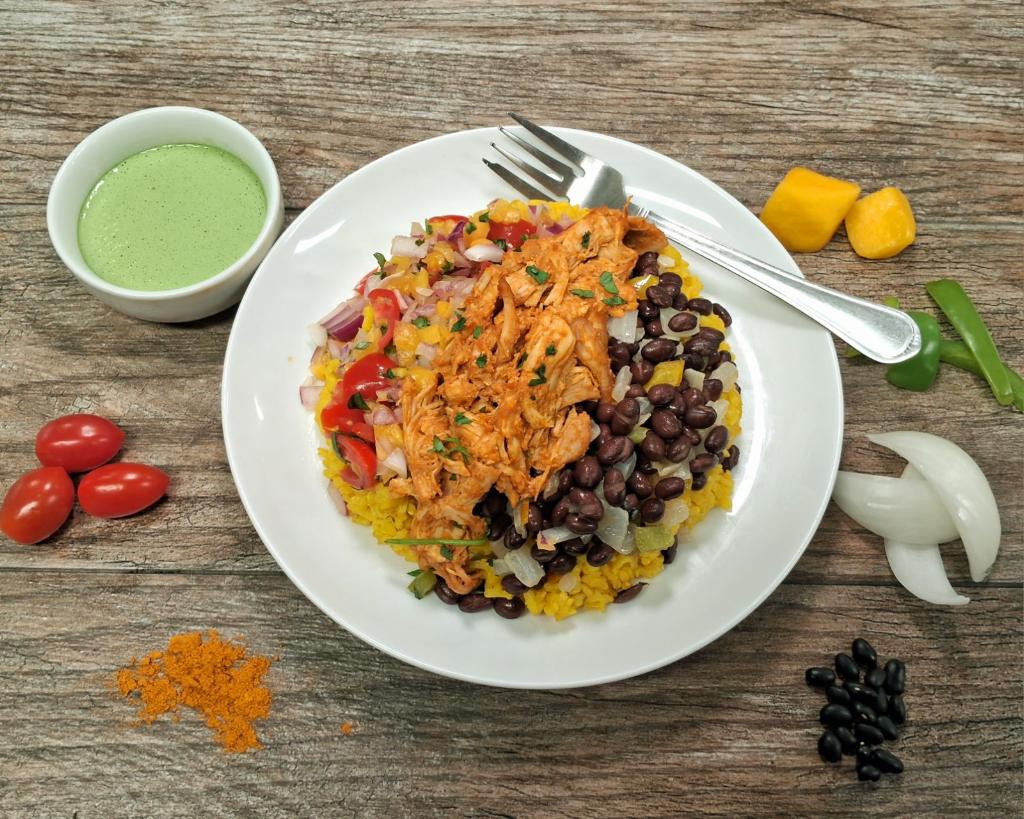
Protein is crucial for maintaining a healthy body, but it’s essential to choose the right types of protein and consume them in appropriate amounts. Focus on incorporating high-quality, nutrient-dense protein sources into your diet while minimizing intake of processed and high-fat meats. By doing so, you can support your overall health and well-being, whether you’re aiming to build muscle, maintain weight, or simply stay healthy. Cuisine for Healing only uses healthy and high quality sources of protein in all of our dishes. Stop by to pick up breakfast, lunch or dinner.