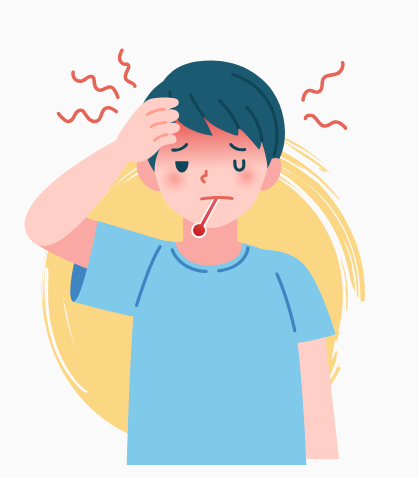
Have you ever noticed that when you are sick, fevers spike and aches feel worse just as you’re trying to fall asleep? You’re not imagining it. Many people experience a noticeable increase in fever, pain, and inflammation at night — and there are several biological reasons behind this frustrating pattern.
Why Symptoms Flare Up at Night:
- Your Body’s Internal Clock (Circadian Rhythm)- Our bodies run on a 24-hour cycle called the circadian rhythm. This biological clock governs everything from sleep patterns to hormone release — including those that regulate inflammation.
At night, the immune system ramps up its activity, increasing the production of pro-inflammatory cytokines. These substances help fight infections, but they also contribute to fever and pain. While this is part of the body’s natural defense mechanism, it can also make you feel worse just when you need rest the most.
- Drop in Cortisol Levels- Cortisol, a hormone that helps regulate inflammation, is naturally higher in the morning and decreases at night. This drop means your body is less able to suppress inflammation, making symptoms like joint pain or sinus pressure feel more intense.
- Your Body Temperature Naturally Rises at Night- Even without an infection, your core temperature tends to increase slightly in the evening hours. If you already have a fever or are fighting off illness, this natural rise can make a low-grade fever feel like a high one.
- Fewer Distractions = Heightened Awareness- During the day, we’re moving around, working, talking, and occupied — all of which can mask pain and discomfort. At night, when everything slows down, we become more aware of symptoms we may have brushed off earlier.
- Lying Down Can Worsen Some Conditions- In certain cases, the act of lying down can increase pain or congestion. Sinus pressure can build, joint fluid can settle, and back pain can intensify due to compression or misalignment.
What You Can Do to Ease Nighttime Fevers and Inflammation- While you can’t change your body’s natural rhythms, there are several ways to ease discomfort and support healing overnight:
- Keep a Cool Environment
- Use light bedding and breathable fabrics.
- Keep your bedroom between 65–70°F (18–21°C) to prevent overheating.
- Use a fan or cold compress to reduce feverish discomfort.
- Hydrate Well
- Dehydration worsens inflammation and fevers.
- Drink water or electrolyte-rich fluids throughout the day and keep a glass by your bed.
- Support Sleep with Gentle Remedies
- Herbal teas (like chamomile or ginger) may help reduce inflammation and promote sleep.
- Magnesium or tart cherry juice may also help improve sleep quality.
- Elevate Your Head or Affected Limbs
- If congestion or swelling worsens at night, elevation can help reduce pressure and fluid buildup.
- Use extra pillows to support your body in a more favorable position.
- Establish a Nighttime Wind-Down Routine
- Reducing stress before bed can help lower nighttime inflammation.
- Try light stretching, warm baths, or guided breathing exercises to calm your system.
The Takeaway– The increase in fevers and inflammation at night is largely tied to how your body naturally heals and protects itself. While it can be uncomfortable, understanding the why can help you manage symptoms more effectively. With the right environment, good hydration, and a few strategic habits, you can soothe your body and get the restorative sleep your immune system needs to recover.